VineCorps: Building Second Homes for Young People in Prince George's County
In the suburbs outside D.C., VineCorps is creating something most youth programs talk about but rarely deliver — real community, real responsibility, and real pathways to college and careers.
Jason Garcia
CEO & Co-Founder
There's a particular kind of youth program that exists in a lot of communities — well-meaning, grant-funded, and ultimately forgettable. Kids show up for a few months, the funding cycle ends, staff turns over, and everyone moves on. The young people who needed it most are right back where they started.
VineCorps is not that program.
What Makes VineCorps Different
VineCorps operates in Prince George's County, Maryland — a suburban region just outside Washington, D.C. where opportunity gaps are real but rarely make the news. Many of the teens and young adults they work with are growing up in under-resourced neighborhoods where barriers like low household income, immigration challenges, unstable housing, and lack of access to enriching activities shape not just their day-to-day lives, but their entire futures.
What sets VineCorps apart is how they approach the problem. They don't run a program — they build community. Their neighborhood "hubs" function as what sociologists call a "third place" — not home, not school, but somewhere you belong. Somewhere you're known. Staff and volunteers get to know every young person's family, struggles, and aspirations. They celebrate small wins. They help navigate setbacks. Whether it's a weeknight homework session or a call late at night when a tough day has spiraled, the VineCorps team is there.
That consistency is the thing that matters most and is hardest to fund.
The Work, Day to Day
On any given day at VineCorps, the needs range from the immediate — finishing homework, finding a ride — to the complex: navigating immigration status, advocating for special education supports, charting a path to college. They meet all of it through:
- Academic tutoring and mentoring
- Skill-building workshops from study habits to career exploration
- Mental health care and life skills guidance
- Family support connecting parents and guardians to resources
- Individualized coaching on everything from transportation to tuition
The goal isn't just better grades. It's equipping young people to take ownership of their own stories.
Real Leadership, Not Token Roles
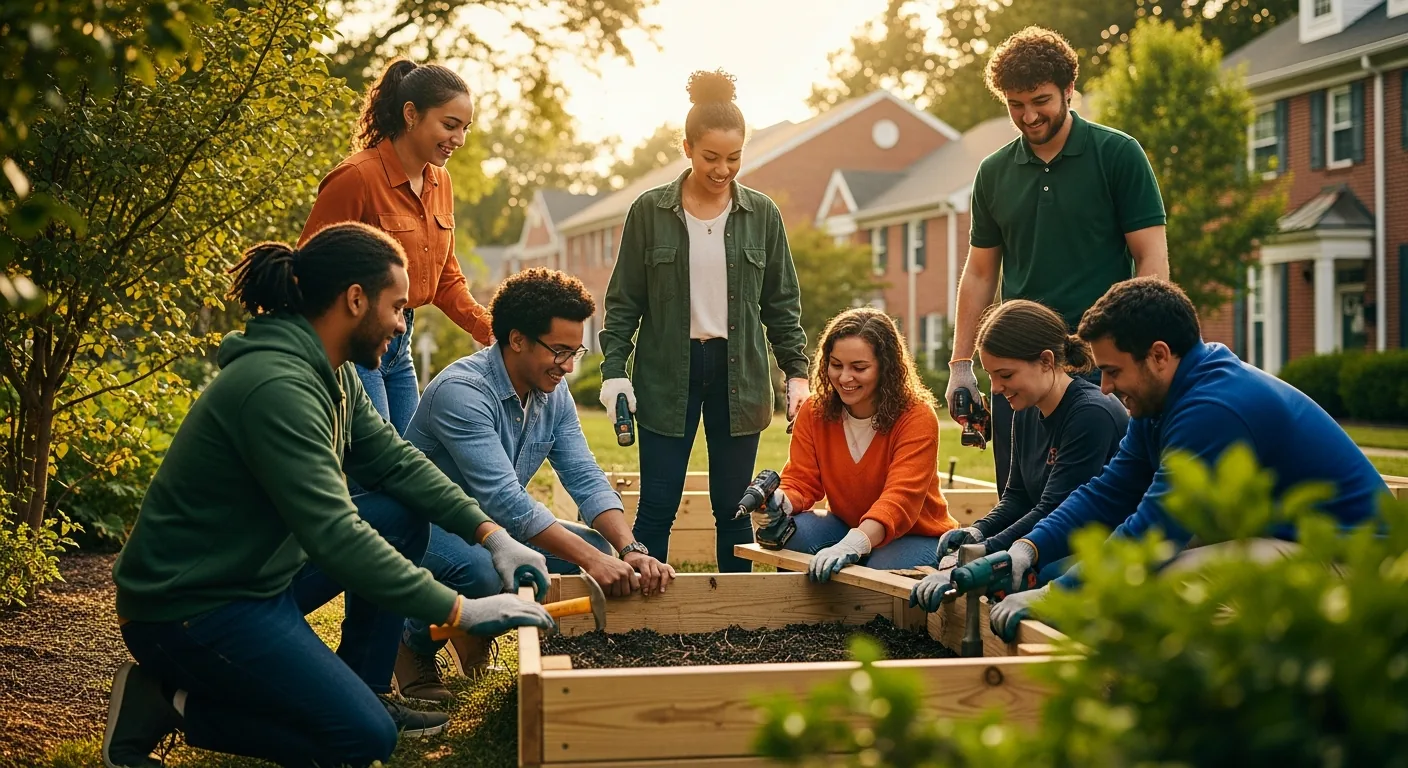
Here's something I particularly appreciate about VineCorps: they give young people actual responsibility. Not "youth advisory board" roles that look good in a grant report — actual leadership. Teens design and run programs, plan service initiatives, and mentor younger peers.
Through their Summer Youth Enrichment Program and Summer Leadership Adventures, teens are placed in full-time summer jobs with local nonprofits, lead real-world service projects like river cleanups and food pantry organization, and build the kind of skills — initiative, collaboration, problem-solving, resilience — that change trajectories.
From the Classroom to College
For young people who dream of college, VineCorps walks with them from application to acceptance to graduation. For many, this results in first-generation college attendance — proof that the right support at the right time opens doors that stay open.
And they stay connected. Once you're part of the VineCorps family, you're always family. They provide ongoing coaching — academic, personal, financial — long after the acceptance letter arrives. For those heading into the workforce instead, the support is equally committed.
The Sustainability Challenge
VineCorps has built something rare: a model that's community-owned and community-sustained rather than dependent on a single grant cycle. They actively engage volunteers, families, local organizations, and civic partners to create an ecosystem of support. Youth who start as participants transition to leaders, mentors, and eventually staff — ensuring the programs stay grounded in lived experience.
But I want to be honest about the stakes. In Prince George's County, 41% of youth facing homelessness had less than a high school education. The difference between a summer spent at VineCorps and an idle summer can be the difference between building a career path and falling behind. The work is always unfinished, and the needs grow every year.
How to Get Involved
VineCorps depends on volunteers who can make a two-hour, once-a-week commitment. They need learning coaches, academic tutors, drivers, event support, and administrative help. Every volunteer receives thorough training and ongoing support.
To volunteer, email volunteer@vinecorps.org. To donate, visit vinecorps.org/donate.
If you're tired of temporary fixes and want to invest in something that actually lasts, this is it.